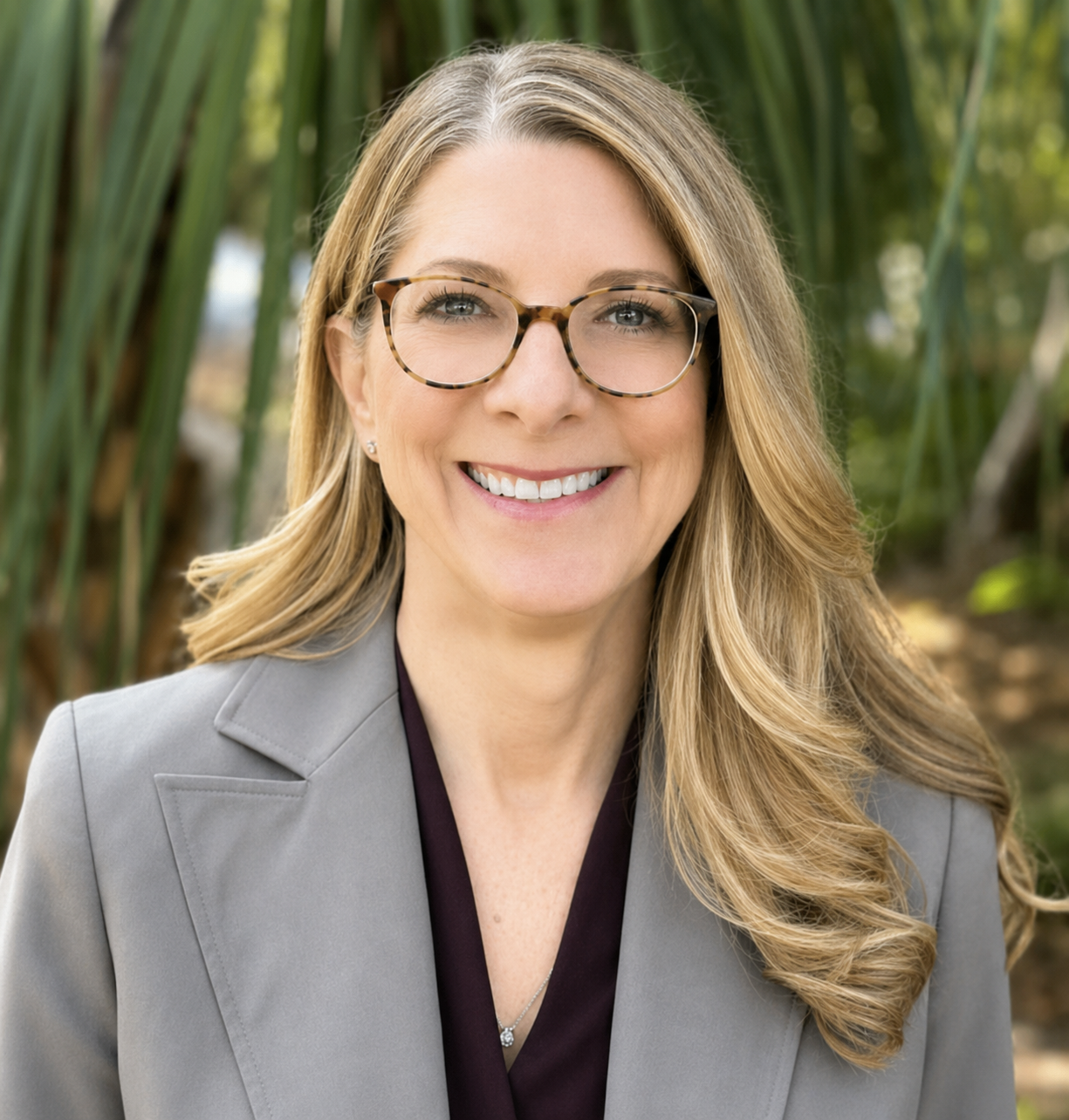
This month, we were fortunate to speak to Dawn Jordan, Development and Donor Services Associate at Community Foundation of the Lowcountry (CFL), based on Hilton Head Island, SC. Established in 1994 to serve Hilton Head Island, the foundation expanded in 2001 to further serve three additional counties in South Carolina. It is now the largest source of unrestricted philanthropy in that region, with more than $120 million in assets under management. Like other community foundations, CFL works with individuals, families, nonprofits and other groups. In addition to advising donors’ philanthropic goals, they offer targeted funds for issues of importance in the local community as well as programs for nonprofit professionals in the region.
DAFinitively Speaking: What brought you to your current role? How long have you worked in the fundraising/nonprofit sphere?
Jordan: In a word: passion. After a career in the for-profit world, I wanted to put those skills and that experience to work doing good. I started by serving on nonprofit boards about ten years ago, and it grew from there. Since then, I’ve had the privilege of working in development for both a direct service nonprofit and a community foundation.
DAFinitively Speaking: Can you talk more about the specific services you provide to both potential and existing DAF donors?
Jordan: At the CFL, we help people through every stage of the fund lifecycle process — from education through grantmaking. Every DAF fundholder gets 24/7 online access to their fund, training on how to use it, and a dedicated local fund steward. That’s a real person who knows them, answers their questions, protects their anonymity if they’ve requested it, and passes along information like thank-you notes from the nonprofits they’ve supported. From time to time, their steward also shares curated information about local nonprofits that align with the donor’s interests. It’s a very personal relationship – that’s one of the reasons people choose to work with a community foundation.
DAFinitively Speaking: How do you help make mission-minded connections between DAF donors and local area organizations?
Jordan: This is really where community foundations shine. We have deep relationships on both sides — with donors and with nonprofits — and we use them to solve problems and maximize impact.
One example is our online Grants Catalog, which we publish after each grant cycle. It’s a list of vetted local nonprofit projects and programs that we simply weren’t able to fully fund. We share it with our donors, and they decide whether they’d like to help close the gap. It’s a genuine win-win: nonprofits get more exposure and funding for critical initiatives, and donors get an insider’s view of where local organizations are headed.
DAFinitively Speaking: Do donors come to you with organizations in mind, or are they generally looking for guidance?
Jordan: Both. Many of our donors have recently relocated here or keep a seasonal home in the area. They want to learn about local nonprofits that align with their interests — but they also want to keep supporting organizations back in their hometowns or at the national level. That’s the beauty of a DAF: they can do it all from one place.
DAFinitively Speaking: It seems like your foundation is taking an active role in solving community problems (Project SAFE and the volunteer networking, for example). The Community Indicators database is a great way to visualize trends across your region. In addition to serving the philanthropic wishes of your donors, do you feel that the foundation has its own specific mission and goals in mind?
Jordan: The CFL exists to strengthen our community by connecting people, resources and needs. That support takes many forms from serving donors and training nonprofits, to awarding scholarships and even sometimes, helping to ensure residential sewer hookups are affordable to keep our environment safe. Right now, we’re helping to tackle the shortage of affordable workforce housing in our region for people in fields like healthcare, hospitality, and education. Everything we do comes back to the goal of strengthening our community and improving the lives of our citizens.
DAFinitively Speaking: How does your advisory work differ between those who have designated or scholarship funds and those who are starting a DAF or even a field of interest fund?
Jordan: Our goal is always the same: help donors establish the fund that best fits their philanthropic goals and preferences. That almost always starts with a conversation about what they’re trying to accomplish.
It’s great that there’s so much public awareness of DAFs and scholarships – and sometimes they are the right vehicle for the job. But we want that decision to be an educated choice, not just a default because they know the term. Sometimes the conversation reveals a different type of fund is a better fit for what they want to achieve.
DAFinitively Speaking: What are the most common questions that new DAF account holders bring to your team?
Jordan: Even donors with some DAF familiarity want to cover the basics: Which charities can I give to? How do distributions work? How much can I donate each year? How is my money invested? And what happens to the fund after I’m gone?
Once we walk through it, the most common reaction is relief. People typically find DAFs an easier way to give, and they’re excited to learn about the benefits and tax advantages.
DAFinitively Speaking: Planned giving is always a touchy subject for fundraisers. How does your team approach it with DAF account holders? What are your rules regarding succession if the original account holders pass away?
Jordan: At the CFL, we build it into the conversation from the beginning, which helps take away the awkwardness. Every donor decides whether to establish their DAF as an endowed or non-endowed fund, and we capture their preferences up front about what should happen when they’re no longer able — or no longer wish — to make grant recommendations. By documenting their wishes up front about Successor Advisor(s) and/or what we should do administratively, the donor can be assured it will be handled according to their wishes.
DAFinitively Speaking: When working with grant recipients, how do you manage expectations regarding donor privacy? Do donors want to hear from their recipient organizations, or do they prefer to stay separate from the process?
Jordan: It really comes down to donor choice. Some donors want to connect directly with the organizations they support, and with their permission, we’re happy to facilitate that relationship. Others prefer anonymity, and we honor that without exception — grant recipients simply know the gift came through the foundation. If a donor chooses to remain anonymous, their fund steward passes along thank-you letters and updates from grantees, so donors can see the impact of their giving without compromising their privacy.
DAFinitively Speaking: “Your Personal Philanthropy Planner” is a fantastic resource for your community — and for any donor, honestly. Can you give us an example of how it’s used with donors?
Jordan: Thank you! The planner helps people focus their giving on what matters most to them. You’d be surprised how many deeply generous people have never thought about their giving strategically — they just do it gift by gift.
At our foundation, we introduce the planner early – some people even access it online before speaking with us. It’s particularly helpful when working with couples who sometimes make donations independently. Our planner helps create a holistic view of their giving history and their combined priorities.
DAFinitively Speaking: The CFL is different from other foundations because of the Ekedahl Center for Nonprofit Excellence, which provides training for nonprofit professionals, board member and volunteers. Can you share the history of the organization and how nonprofit excellence informs the mission of the CFL?
Jordan: The Ekedahl Center for Nonprofit Excellence is a perfect example of what can happen when a foundation has strong relationships with both its donors and its nonprofits.
Our strategic planning process revealed that capacity building was a top priority for our local nonprofits. At the same time, we knew that Dave and Patty Ekedahl — longtime supporters of many nonprofits in our community — sought to make an even greater impact. We connected those two things together, and working with the Ekedahls, we were able to accelerate the creation of the center as a permanent resource for nonprofit capacity building.
Since opening two years ago, the center has regularly hosted trainings and workshops on topics like board development, executive leadership, and nonprofit management and operations. It strengthens the very organizations our donors care about — and helps every dollar given to them work a little harder.
___________________________________________
Many thanks to Dawn Jordan and her team at the CFL for answering our questions and sharing their resources with us. It’s always interesting to see how different foundations support their local communities; they’re all different, but ultimately, the goal of helping others is a common purpose. If you or someone at your organization would like to share what makes your community special, please let us know at hello@dafinitive.com.
